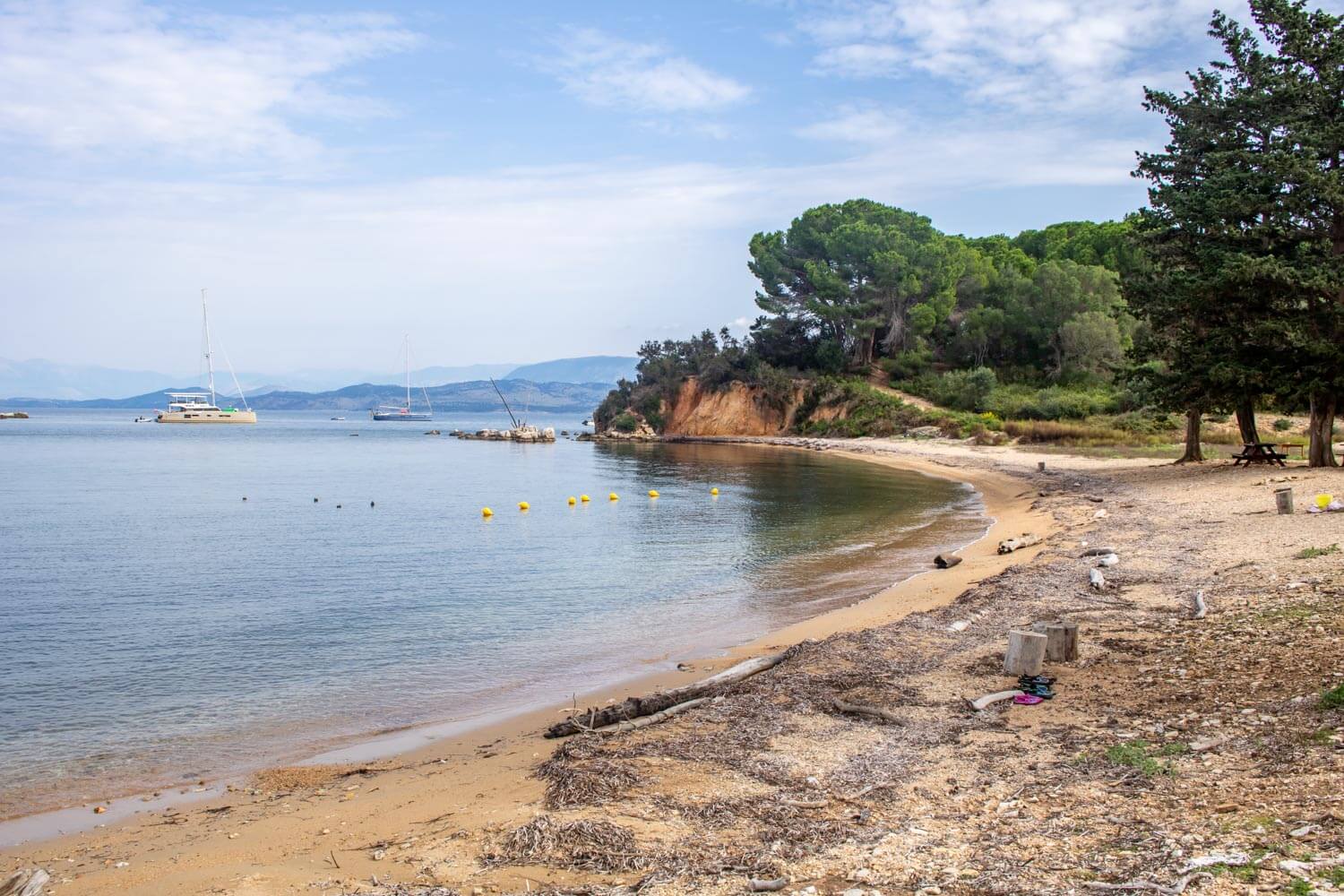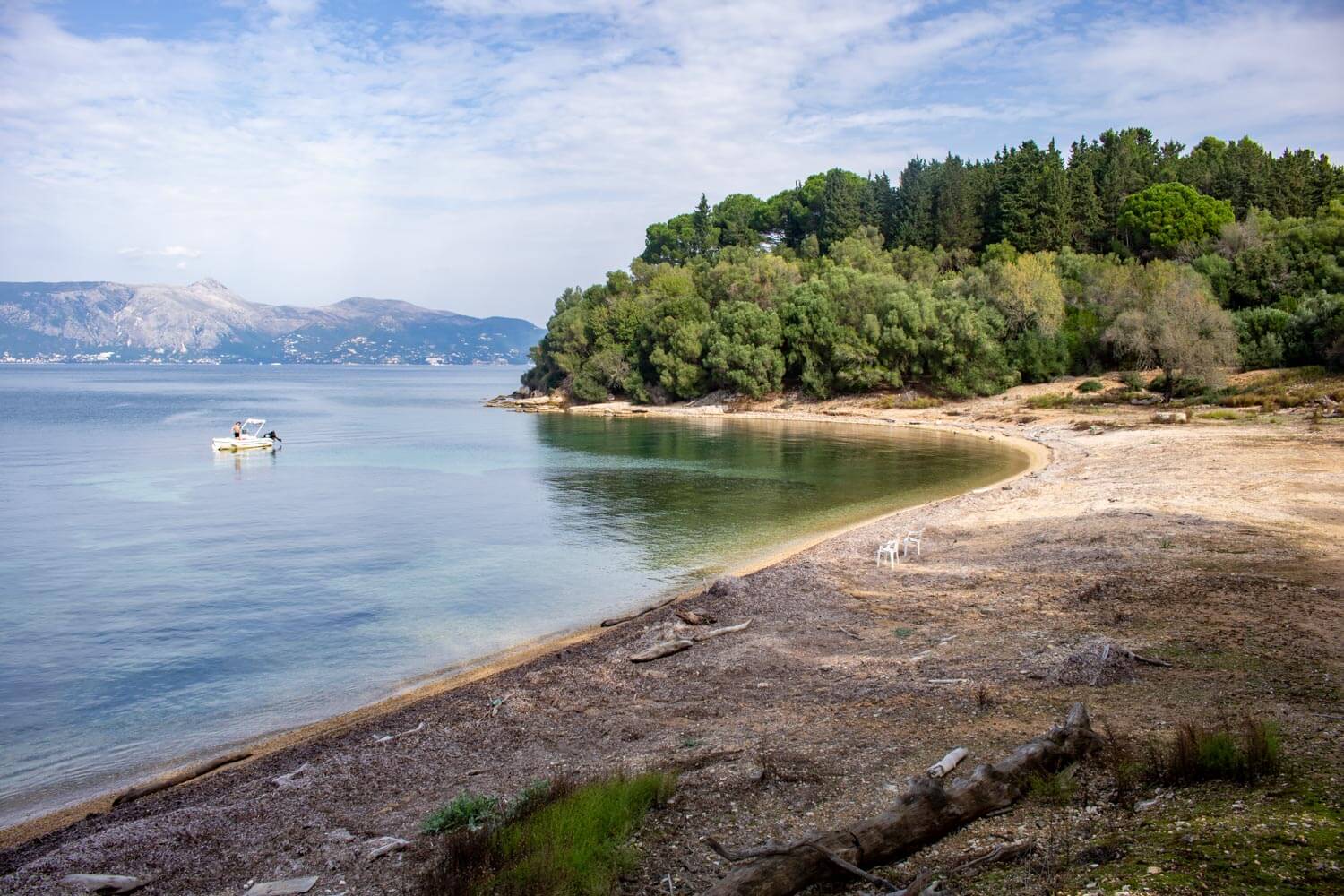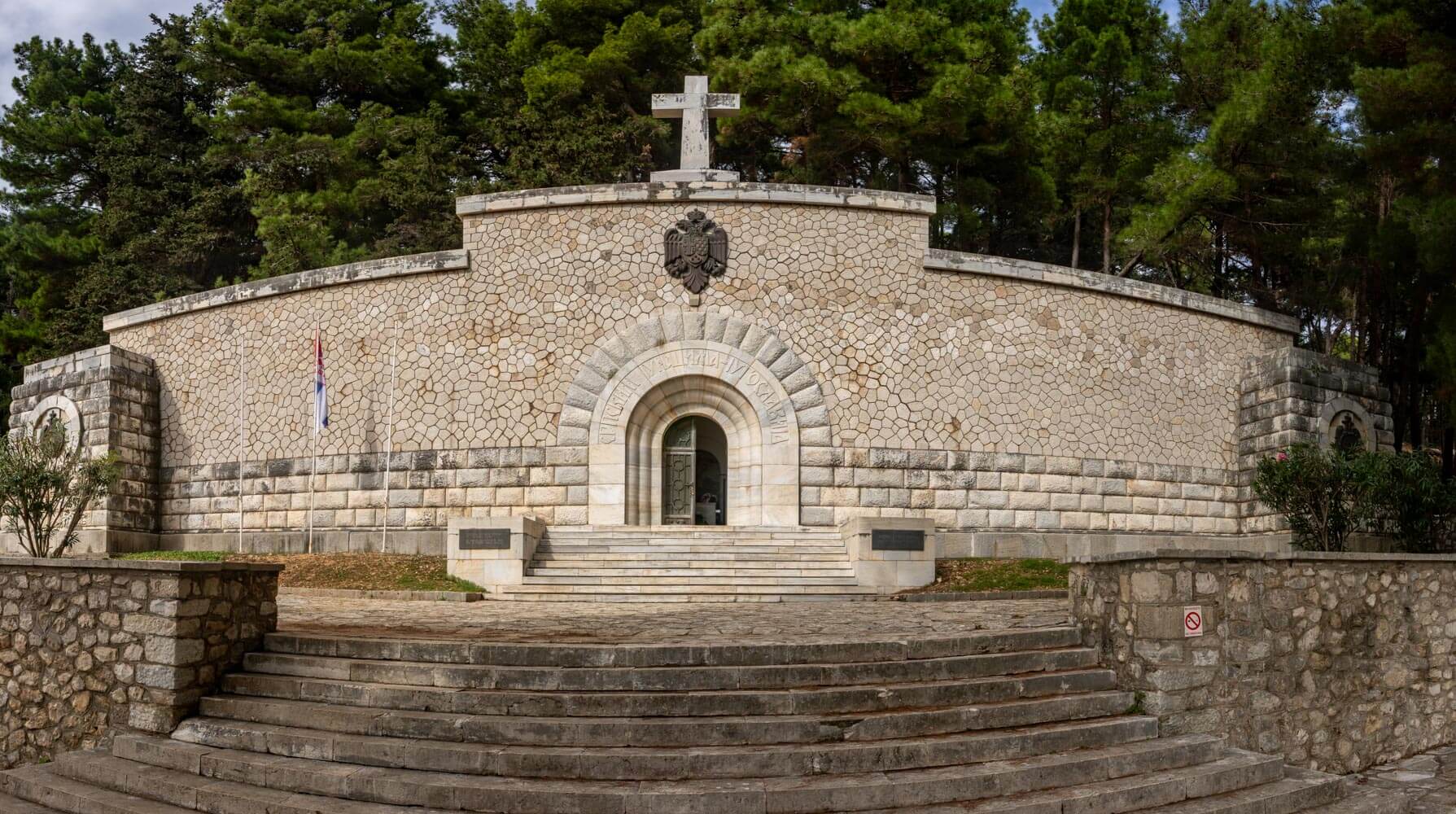
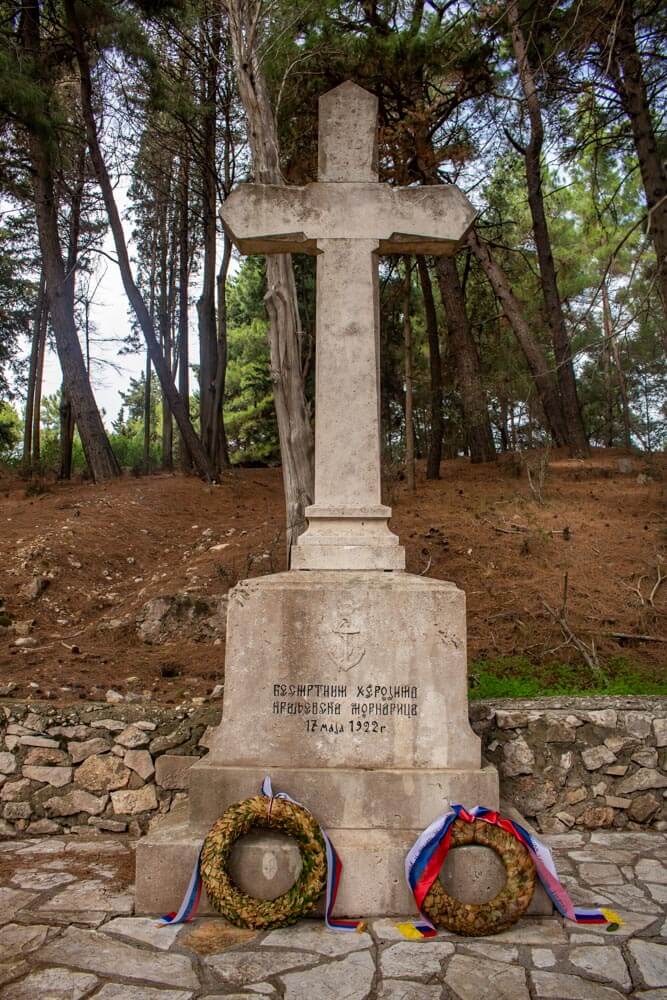
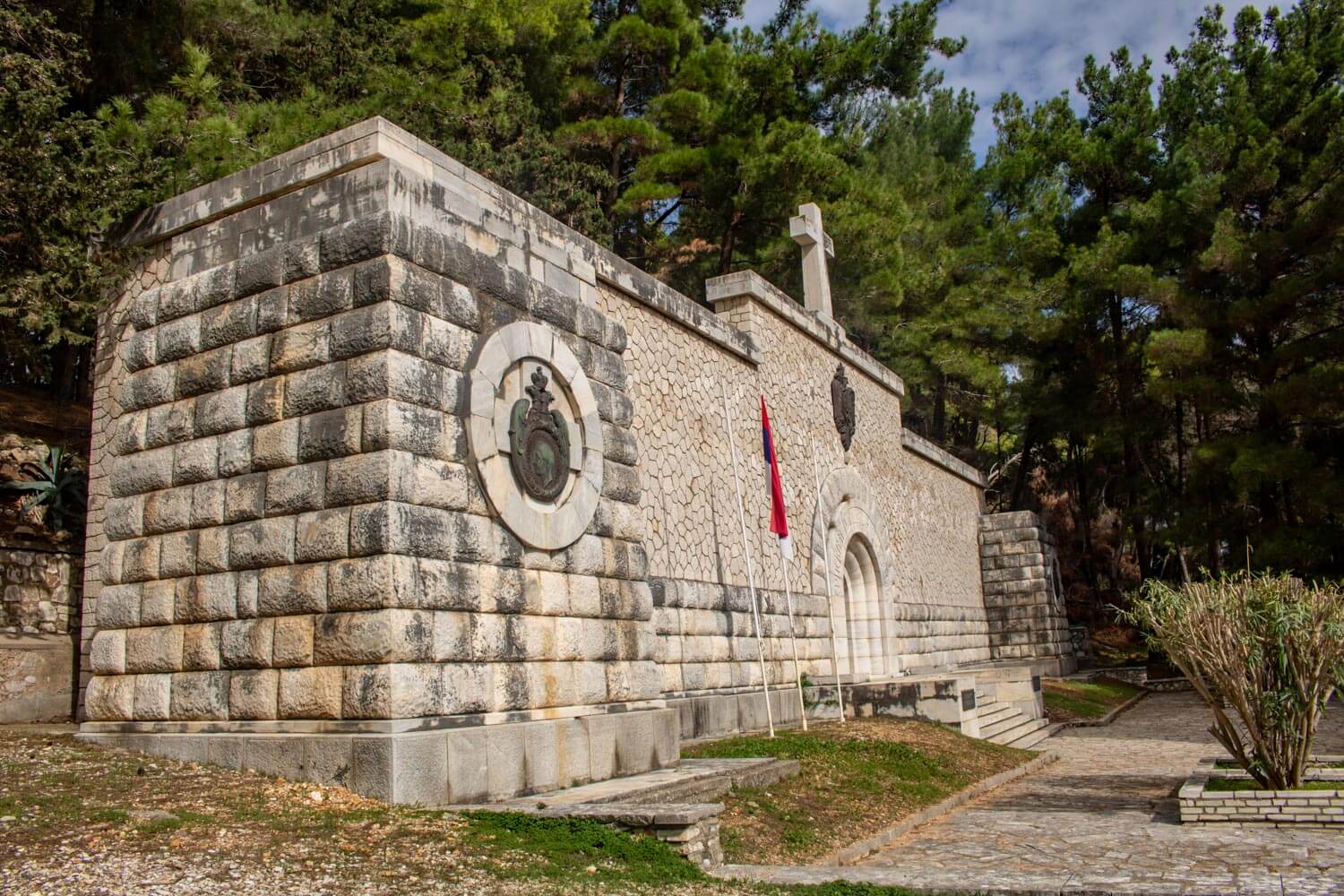
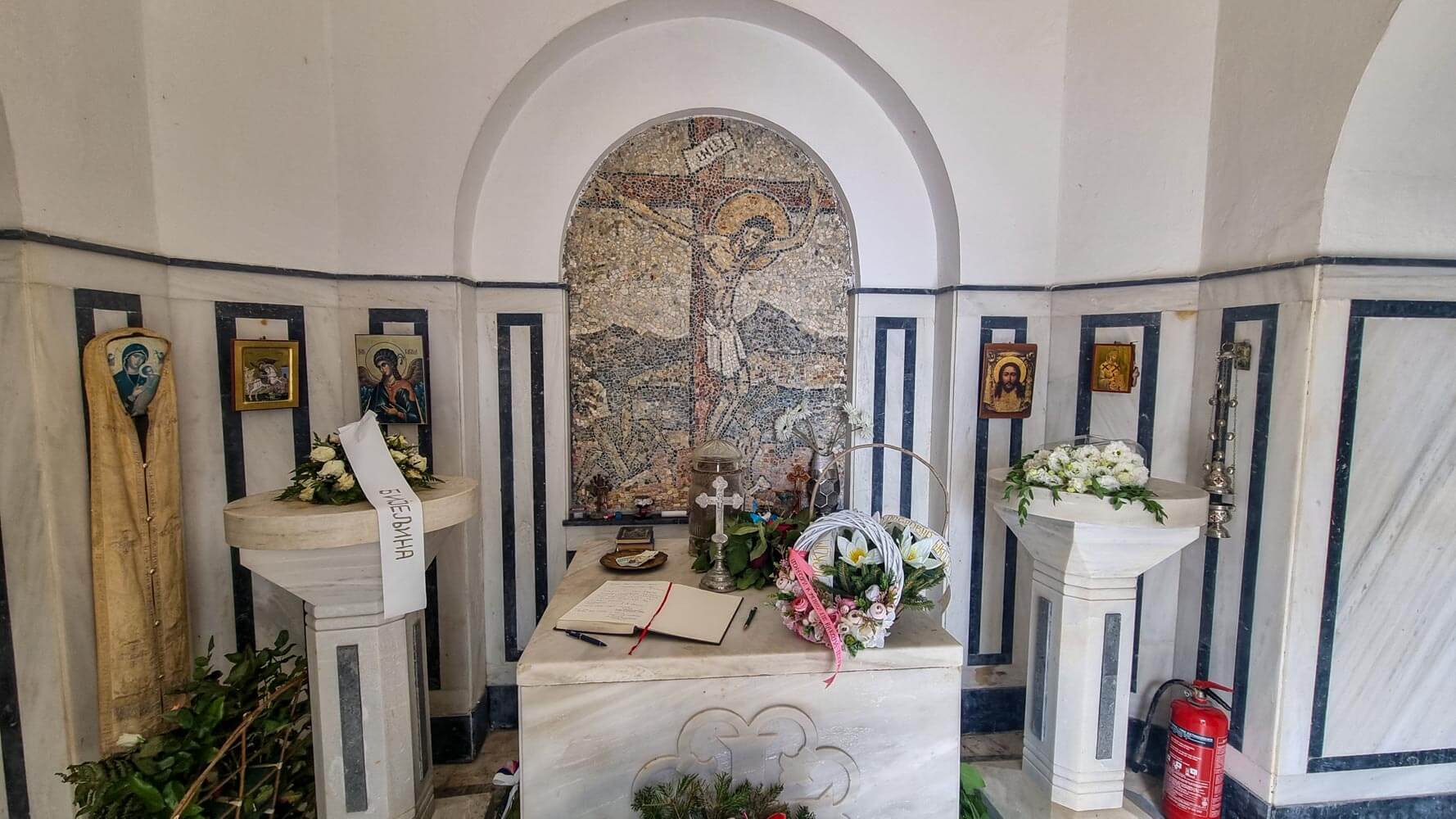
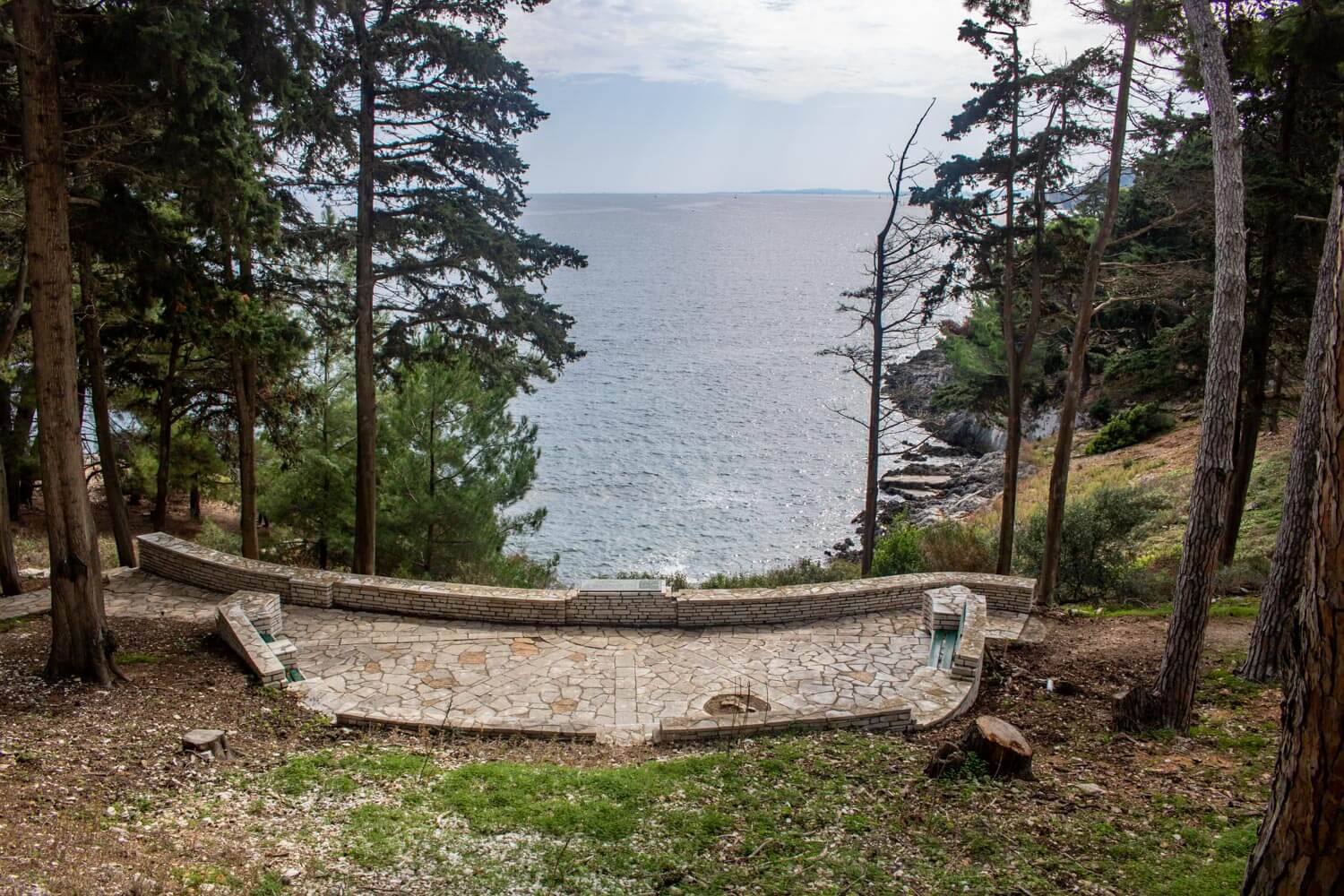
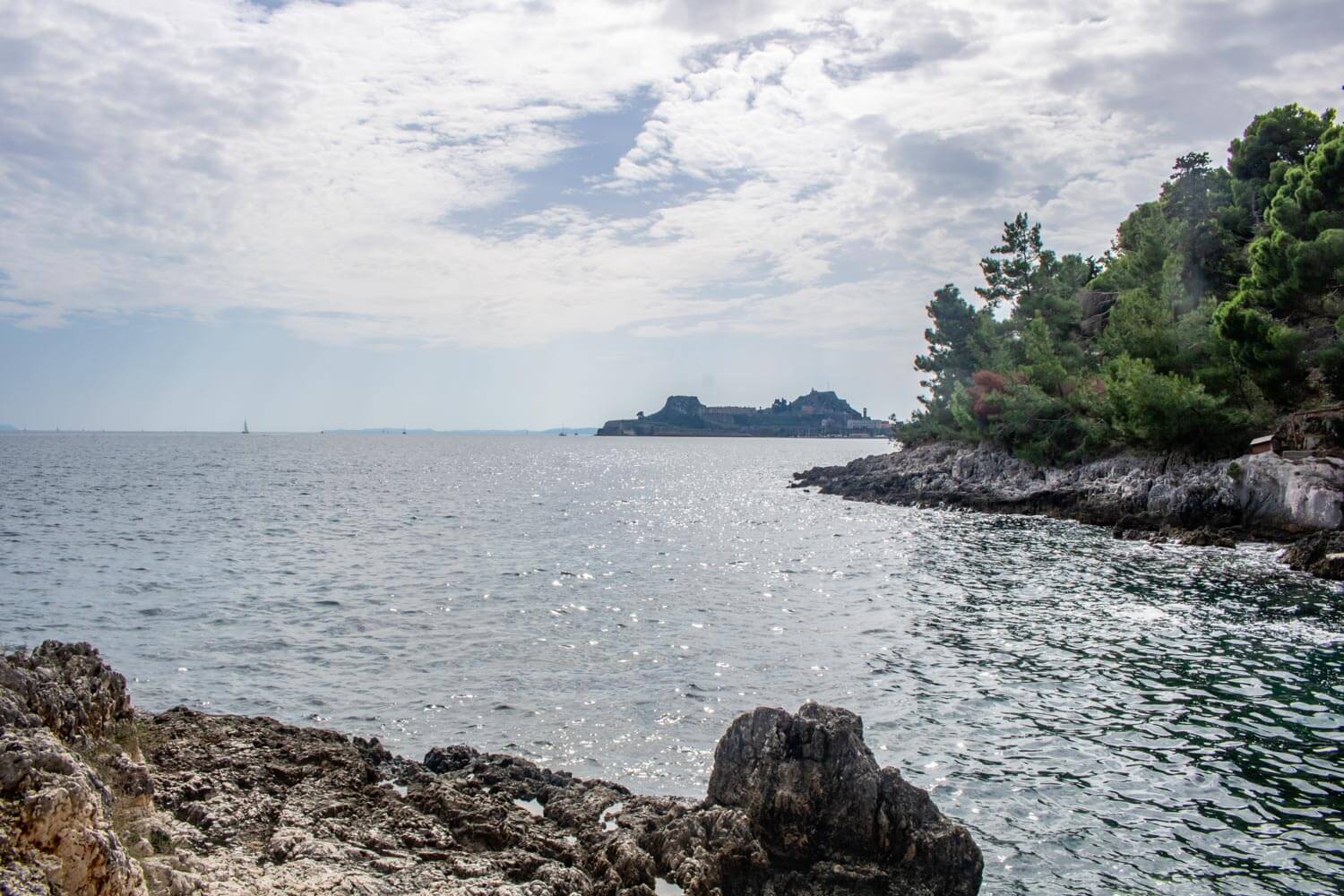
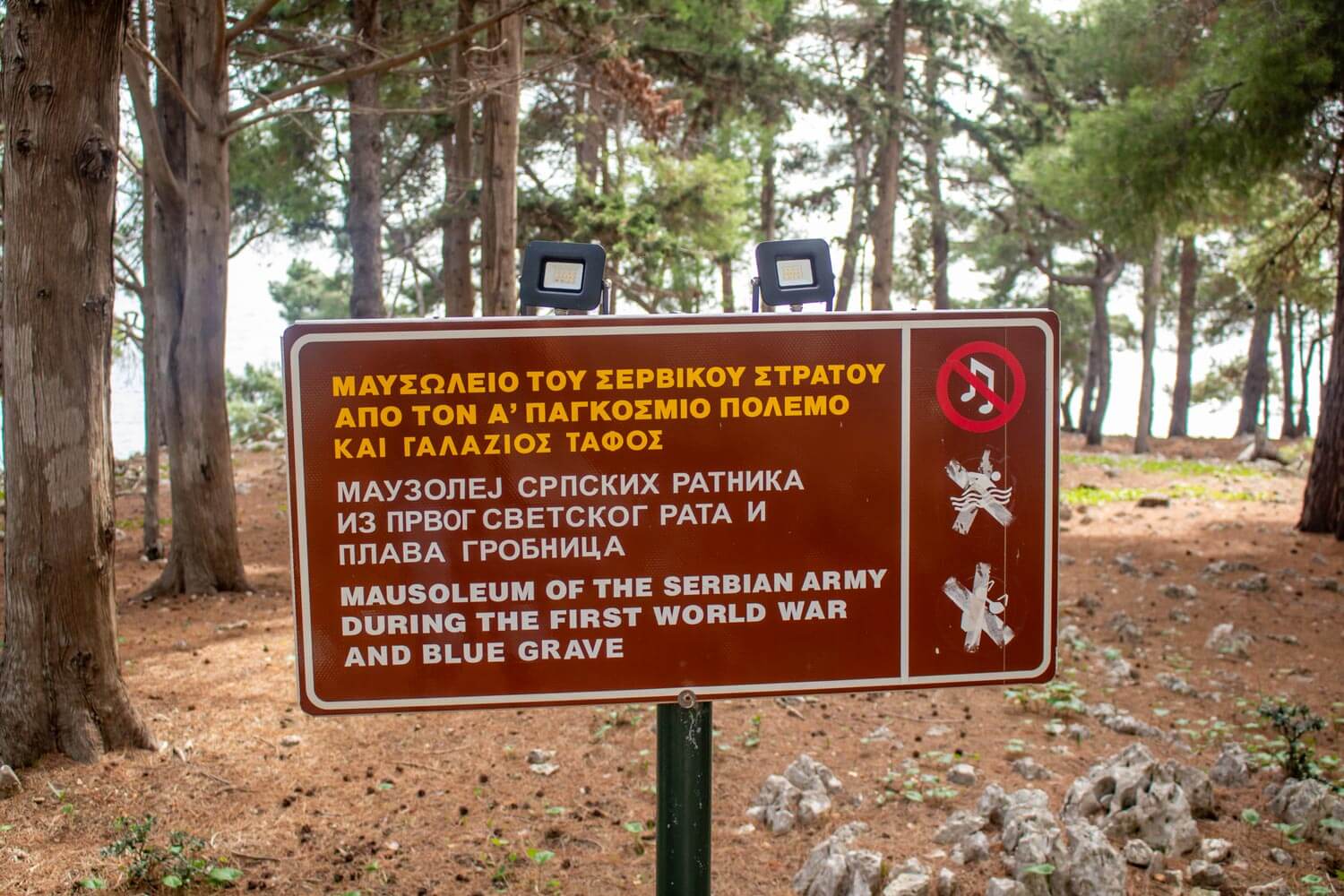
The Serbian Soldiers Mausoleum is a memorial on the island of Vido, which is located in front of the east coast of central Corfu. The memorial is a remembrance of the Serbian soldiers who died during World War I and were buried in the sea.
During World War I, the Serbian army was forced to retreat and flee their country. In December 1916, around 130,000 Serbian soldiers and civilians arrived in Corfu to seek refuge after a long journey through the mountains of Montenegro and Albania. The refugees were accommodated in camps across Corfu, but there was insufficient time to make adequate provisions for the large number of people.
The tough journey itself had already taken its toll with many soldiers arriving exhausted, wounded, or sick and a lack of food and shelter during the winter time only made matters worse and diseases like typhoid and dysentery started to spread quickly.
While the civilian refugees were accepted and evacuated by the French, the sick soldiers were quarantined on the island of Vido, to prevent the diseases from spreading to the local Corfiote population. A hospital was set up on Vido to treat the sick soldiers, while the small islet of Lazareto functioned as a transit and disinfection center.
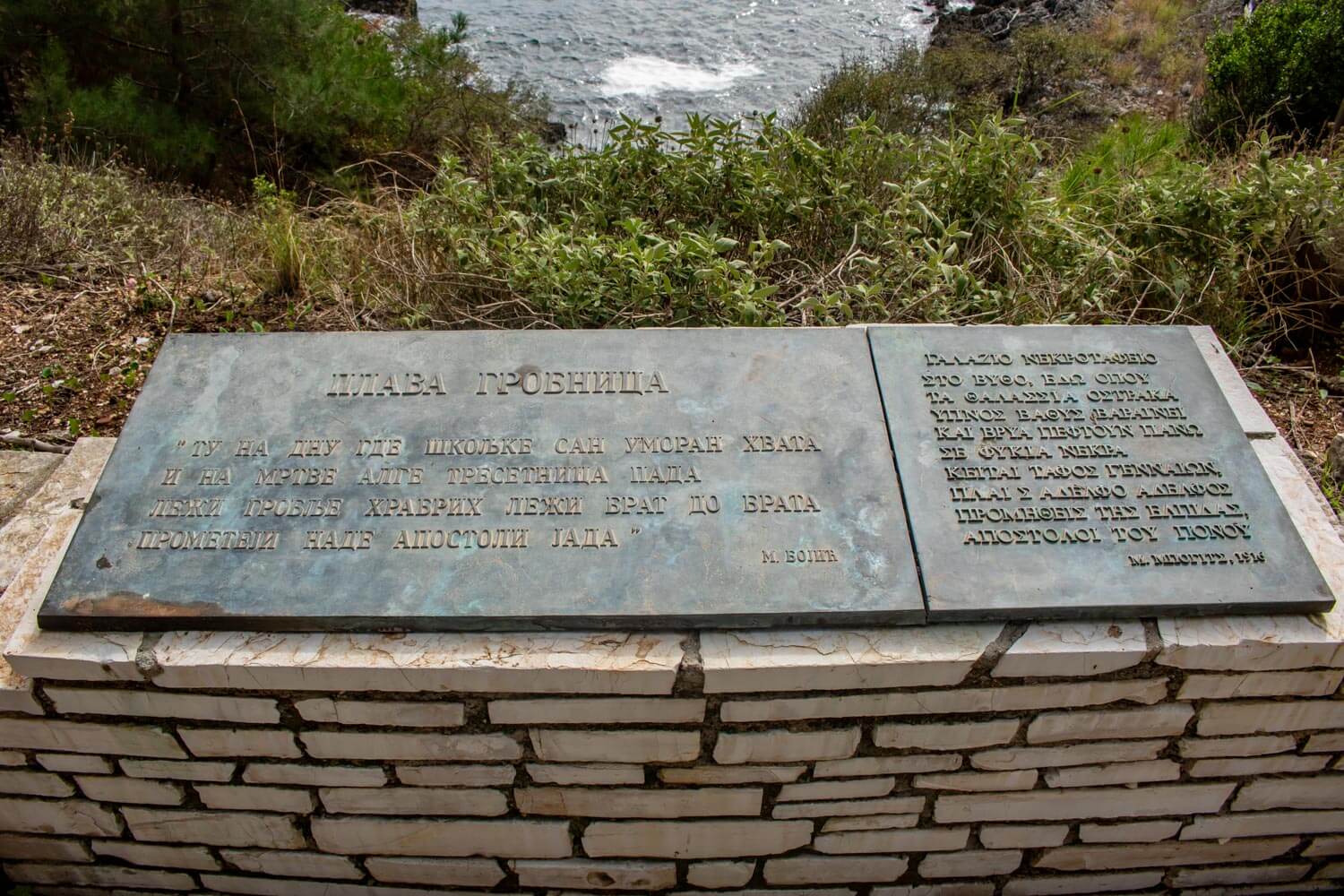
Despite the efforts of the Corfiotes and the help offered by the French and Russians, many of the Serbian soldiers died at a rapid pace, sometimes even more than 100 per day. Initially, the bodies were buried near the shore, but with the death toll continuing to increase, it was decided to transport the bodies on a French medical ship and drop them into the sea. The sea around Vido is therefore also called the Blue Tomb, which is also the title of a poem by the Serbian poet Milutin Bojić, one of the survivors of the Serbian exodus.
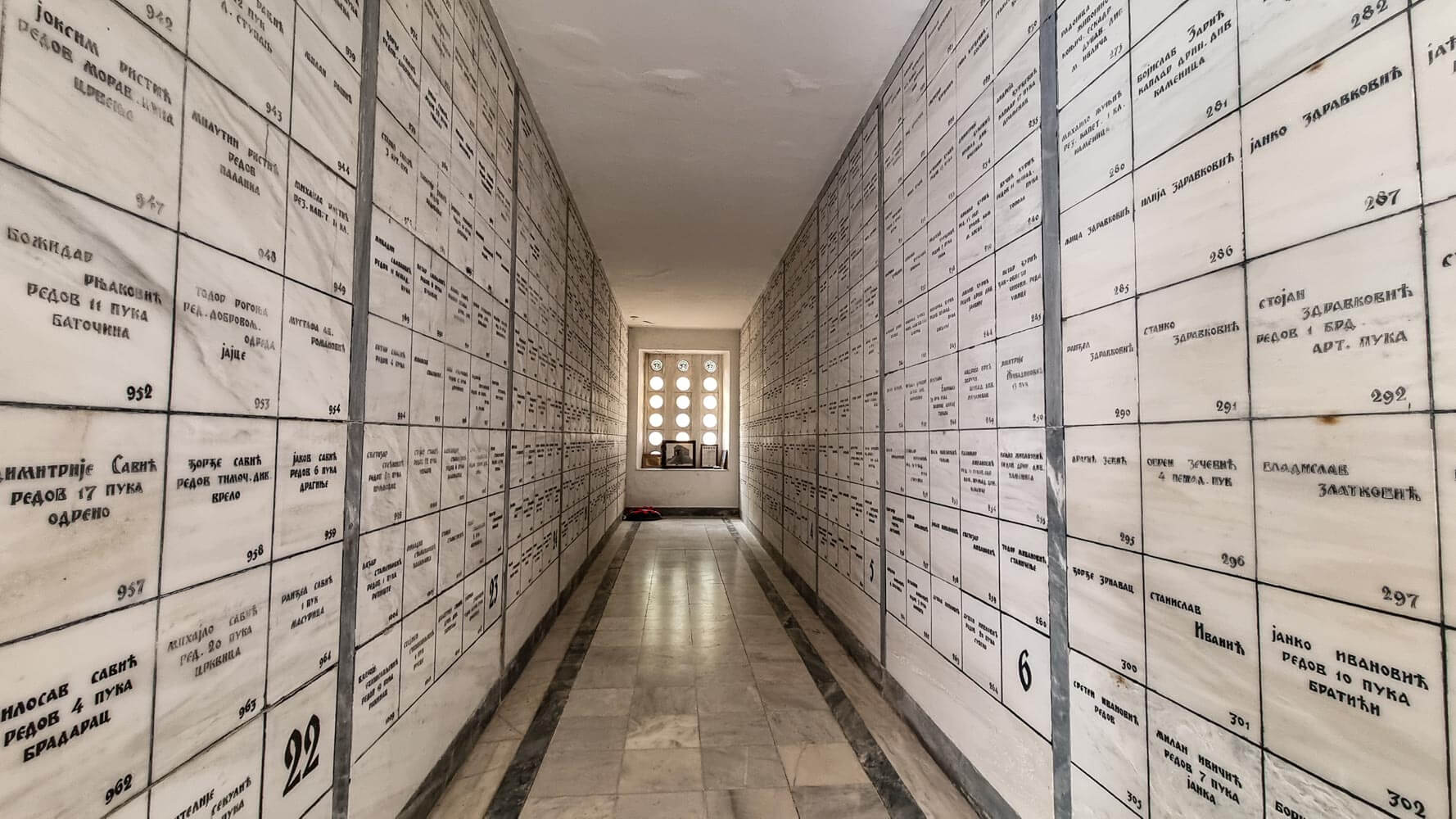
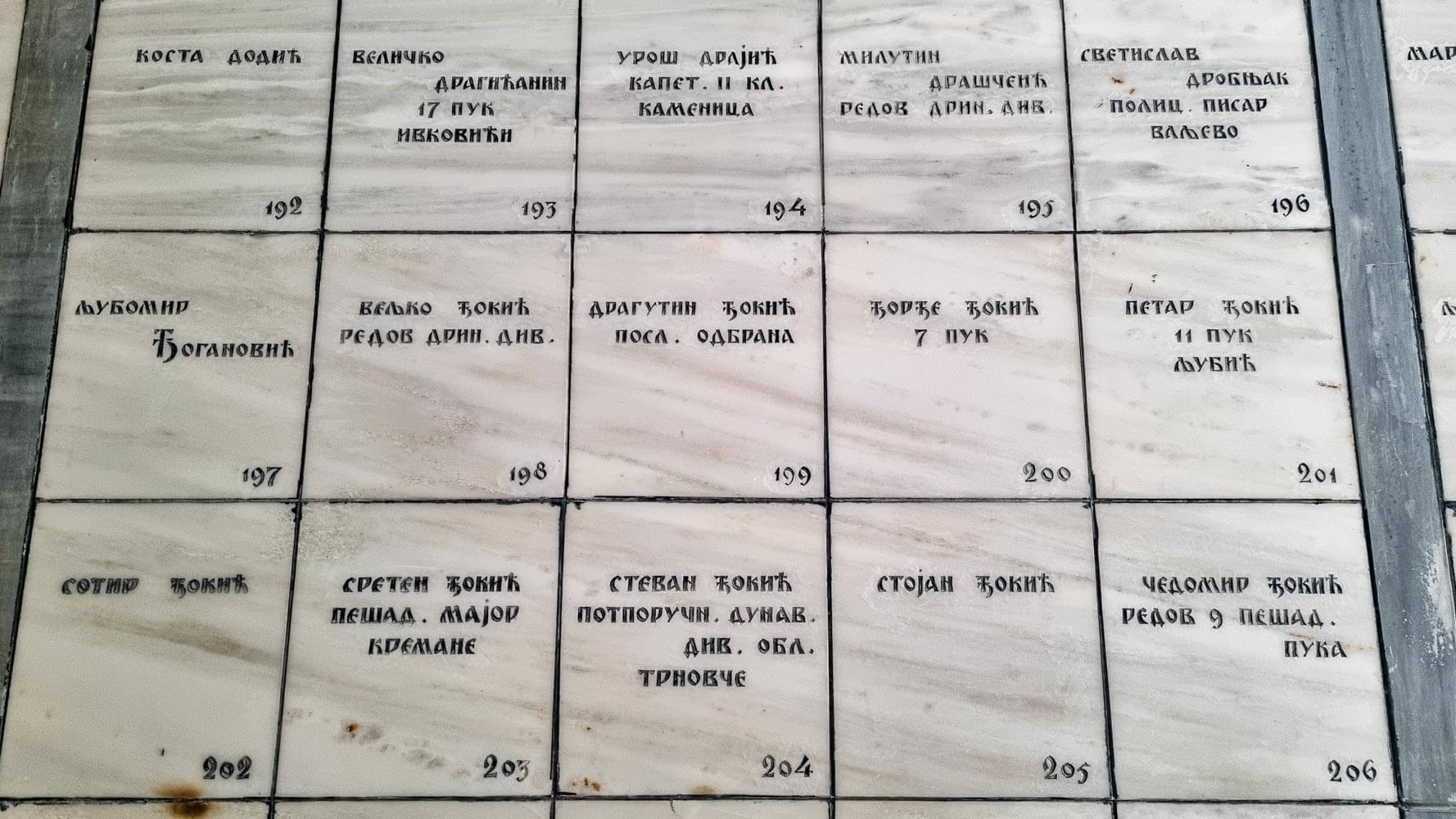
In 1936, the Serbian Soldiers Mausoleum was erected in collaboration with the Yugoslav government in honor of the thousands of Serbs who had died on Vido. The mausoleum holds the remains of 2,764 soldiers, of which only 1,232 have been identified by name. The names are engraved on the wall inside the monument, which looks out over the ‘Blue Tomb’.
Many Serbs visit the monument to pay tribute to the dead and lay wreaths at the mausoleum. In front of the mausoleum you can see a plague with the poem Blue Tomb written in cyrillic as Плава гробница (Plava Grobnica).
If you’d like to learn more about the history of the Serbs in Corfu, you can also visit the Serbian Museum of Corfu in Corfu Town.